Turning Hazy In The Direction Of Clear: The SMILE Eye Surgery Tale


Material Composed By-Bugge Healy
In recent years, developments in eye surgery have altered the way we approach vision correction, making procedures more refined and effective than ever before. One of the most exciting developments is SMILE, a cutting-edge laser technique designed to treat nearsightedness and nearsightedness. With its minimally invasive approach and noteworthy outcomes, many people are eager to learn about what sets SMILE apart from conventional techniques.
For those contemplating corrective eye surgery, understanding SMILE is crucial. This advanced procedure offers many benefits, including faster recovery times and lessened discomfort compared to other options like PRK. In this article, we will discuss the details of SMILE eye surgery, covering all aspects from the procedure mechanics to its associated costs and potential side effects. Whether you're looking to shed your glasses or contact lenses, the path from unclear vision to sharp vision may just lie with SMILE eye surgery.
What Is SMILE Eye Surgery?
SMILE Eye Surgery, or this technique is an cutting-edge laser vision correction method focused mainly to address nearsightedness. This groundbreaking approach has gained popularity because of its less invasive approach and notable outcomes. During the SMILE procedure, a laser is used to produce a small, precise lenticule within the cornea, which is then taken out through a small incision, thus reshaping the cornea and improving vision.
In contrast to traditional LASIK procedures, SMILE does not necessitate the making of a corneal flap, making it simpler and reducing the chances of complications related to flap formation. The complete operation typically requires under 30 minutes, and it is performed on an outpatient basis. Patients often go through quick recovery times, going back to their normal activities after a day or two, making SMILE a practical option for those seeking vision correction.
The benefits of SMILE Eye Surgery go past its efficiency and practicability. Many patients indicate high levels of satisfaction with their enhanced vision, and the procedure has been shown to result in limited dry eye symptoms in comparison with different laser techniques. As new advancements continue to surface in laser eye procedures, SMILE is recognized as an efficient treatment for those facing nearsightedness, offering a clear path from fuzzy to crystal clear vision.
### Benefits and Costs of SMILE Surgery
One of the primary benefits of SMILE laser eye surgery is its non-invasive approach. Unlike standard LASIK, which requires a flap to be created in the cornea, SMILE utilizes a small incision that reduces the risk of complications and maintains the cornea's structure. https://www.webmd.com/eye-health/vitreomacular-adhesion-treatments leads to faster healing and reduced pain after surgery for patients. https://mgyb.co/s/OsDCD improved vision almost immediately and are able to return to their daily activities sooner.
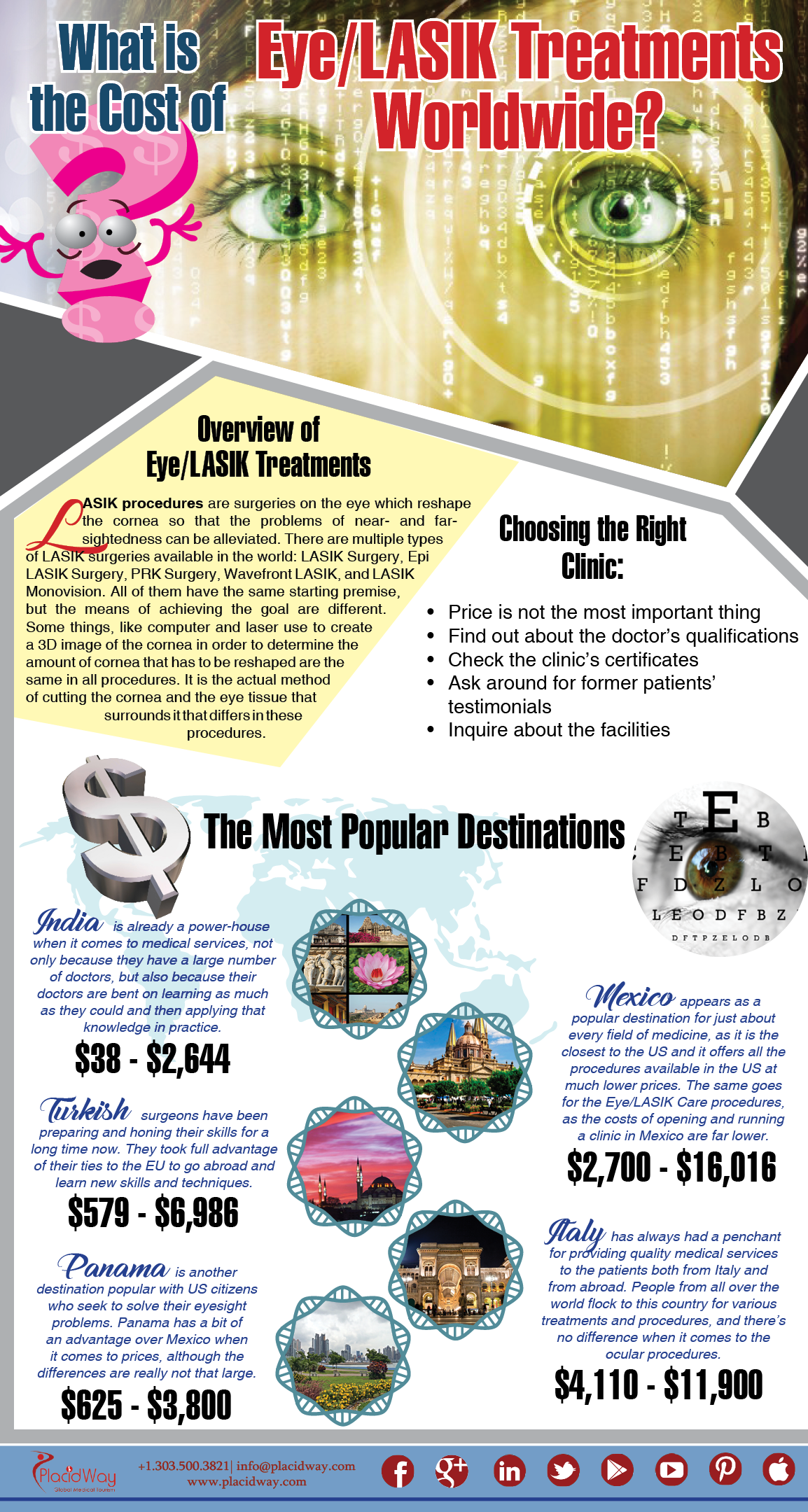
When considering SMILE surgery, the expenses can vary based on factors such as the surgeon’s experience, the technology used, and the location of the clinic. Generally, the cost of SMILE surgery is similar to that of LASIK, with prices typically between $2,000 and $4,000 per eye. It is essential for prospective patients to speak to different practices to understand the exact prices, as some may offer financing options or bundled offers that can alleviate the financial burden.
In addition to the immediate benefits and costs, patients should also consider the long-term benefits of SMILE surgery. Many individuals find that they achieve consistent eyesight improvement without the need for glasses or contact lenses. This can lead to considerable cost savings as the ongoing expenses for glasses and contacts decrease. Moreover, the elevated patient satisfaction underscore the effectiveness of SMILE surgery, making it a compelling option for those seeking a solution to nearsightedness or myopia.
SMILE Eye Procedure Process and Recovery
The Small Incision Lenticule Extraction eye surgery is minimally invasive and usually requires less than 30 minutes per eye. During the surgery, a laser is used to create a tiny lens-shaped section of corneal tissue within the cornea, which is then extracted through a small incision. This process modifies the cornea to treat nearsightedness, also known as near vision deficiency. Unlike traditional LASIK, which requires the creation of a corneal flap, this technique maintains the structure of the corneal tissue, potentially leading to a reduced chance of complications.
Recovery from SMILE vision procedure can be typically swift and uneventful. Many individuals experience enhanced sight within a few days, with most returning to their regular activities within a week. Post-operative care generally involves using prescribed eye drops and attending follow-up check-ups to ensure proper healing. It is important for patients to avoid strenuous activities and shield their eyes from irritants during the initial recovery period.
Overall, the advantages of the SMILE procedure go beyond just quick recovery. Patients often report lessened dryness in their eyes and discomfort compared to other laser eye surgeries. The precision of the SMILE technique can result in superior results, making it an attractive option for those seeking a durable solution to nearsightedness. As with all surgical methods, talking about options and expectations with a certified vision care professional is essential for best outcomes.
Comparison: Small Incision Lenticule Extraction vs. Photorefractive Keratectomy
When considering laser vision correction procedures, two popular options are SMILE and Photorefractive Keratectomy. Small Incision Lenticule Extraction, which stands for Small Incision Lenticule Extraction, is a soft procedure that involves creating a small incision to remove a lens of corneal tissue. In contrast, Photorefractive Keratectomy, or PRK, involves removing the outer layer of the cornea to reshape its surface. While both procedures aim to correct refractive errors like myopia, they differ significantly in their techniques and recovery processes.
One of the main distinctions between Small Incision Lenticule Extraction and Photorefractive Keratectomy is the recovery experience. Patients undergoing Small Incision Lenticule Extraction often experience less discomfort post-operation and a faster visual recovery, with many achieving stable vision within a few days. In comparison, PRK patients may experience more discomfort initially and take longer to heal, as the epithelial layer of the cornea needs to heal after the procedure. This can result in a extended time for clear vision, making Small Incision Lenticule Extraction a preferable option for those seeking a quicker recovery.
Cost is another significant factor to consider. Typically, Small Incision Lenticule Extraction laser eye surgery cost is comparable to or slightly higher than that of PRK. Patients should weigh the advantages of a reduced recovery time and minimized discomfort against the financial aspects of each procedure. Ultimately, the decision between SMILE and PRK will depend on individual needs, preferences, and the specific recommendations of eye specialists.